Bianca Lang · 25 September 2026
Cognitive Approaches and Digital Integration Help Polish Vocational Students Address Regional Technology Access Challenges
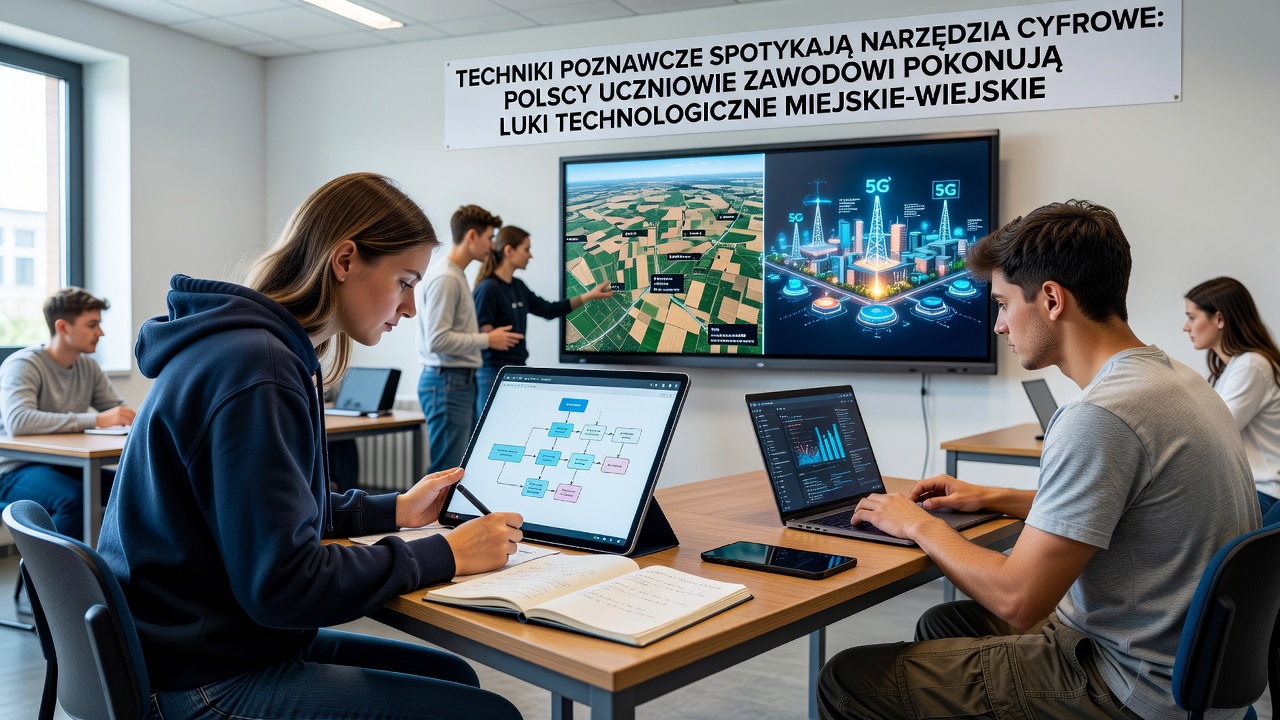
Vocational education programs across Poland continue to expand access to training in technical fields, yet students in rural regions often encounter limited broadband connectivity and fewer devices compared with their urban counterparts, and this disparity affects how learners apply structured mental strategies alongside emerging software platforms. Researchers at institutions tracking education outcomes note that cognitive techniques such as spaced repetition, concept mapping, and metacognitive self-assessment combine with mobile applications and cloud-based platforms to support skill retention, while regional infrastructure differences shape the pace of adoption.
Regional Differences in Device Availability and Network Quality
Data from national statistics agencies show that households in rural voivodeships maintain lower rates of high-speed internet subscriptions than those in major cities, and vocational schools in these areas frequently share limited computer labs among larger cohorts. Students therefore rely on personal smartphones for many study tasks, which restricts the use of resource-heavy simulation software common in urban training centers. Observers at the European Centre for the Development of Vocational Training have documented similar patterns across several member states, where infrastructure gaps influence the selection of lighter digital tools that still support deliberate practice routines.
Cognitive Techniques Adapted for Mixed Device Environments
Educators in Polish vocational institutions teach students to break complex procedures into smaller steps using digital flashcards and audio recordings that function offline, and these methods draw on established memory research to compensate for intermittent connectivity. One program in the Podlaskie region introduced a protocol where learners record short explanations of mechanical processes on their phones, then review the files during commutes, and instructors report improved retention rates when students combine verbal rehearsal with visual prompts generated by simple annotation apps. Studies published by the OECD indicate that such hybrid approaches produce measurable gains in procedural knowledge when participants practice consistently regardless of location.
Platform Choices That Function Across Connection Levels
Schools have begun integrating open-source learning management systems that allow content to sync during brief periods of stable access, after which students continue offline with built-in progress trackers. In September 2026 several regional authorities plan to roll out updated versions of these platforms preloaded with vocational modules for agriculture technology and renewable energy maintenance, fields that attract many rural trainees. The tools incorporate prompts for reflection journals and goal-setting checklists, features that reinforce metacognition without requiring constant data usage.
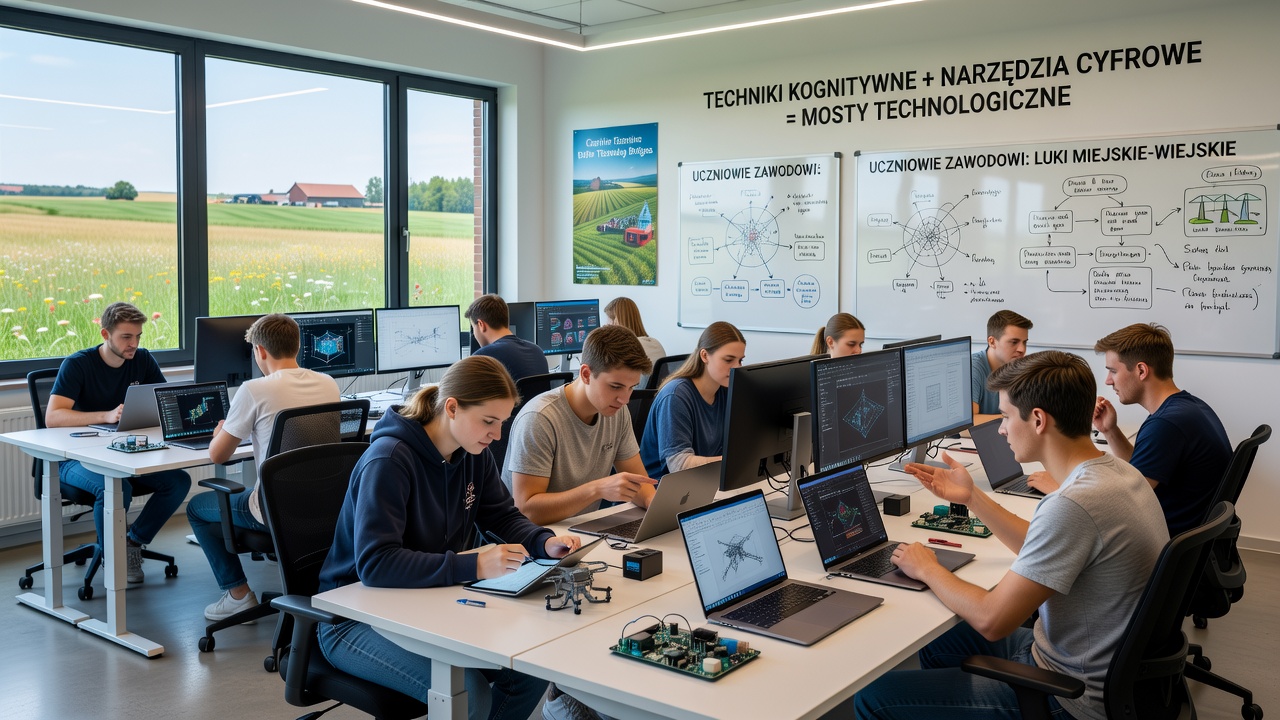
Trainers note that students who apply these features demonstrate steadier progress through certification modules compared with peers relying solely on printed materials, although success still depends on initial guidance from teachers familiar with both the cognitive frameworks and the technical constraints.
Evidence from Pilot Programs and Outcome Tracking
Longitudinal data collected by Polish education research centers reveal that participants in blended cognitive-digital initiatives complete practical assessments with fewer repeated attempts, and the advantage appears across both rural and urban cohorts when baseline access to devices is equalized through school lending schemes. A report issued by the European Commission on digital skills in vocational education highlights that targeted training for instructors in rural schools correlates with higher student engagement in self-regulated learning cycles. Those cycles typically involve setting daily targets, monitoring comprehension through quick quizzes embedded in apps, and adjusting study plans based on performance analytics.
Support Structures That Sustain Continued Use
Local partnerships between vocational centers and community libraries have created drop-in access points where students can download updated modules during scheduled visits, and these arrangements reduce the friction caused by household bandwidth limits. Mentorship programs pair experienced learners with newcomers to demonstrate how to embed cognitive prompts into routine digital workflows, such as using calendar reminders for spaced review sessions. Government funding streams allocated for the 2025-2027 period prioritize equipment grants that favor multi-user devices suitable for shared rural classrooms.
Conclusion
Polish vocational students continue to navigate differences in technology access by combining established cognitive techniques with adaptable digital platforms, and ongoing infrastructure investments plus instructor preparation shape the extent of those adaptations. Figures from national and European monitoring bodies indicate measurable improvements in skill acquisition when programs account for variable connectivity, while pilot efforts scheduled for September 2026 aim to scale successful models across additional regions. The integration remains an evolving process driven by practical constraints and documented educational outcomes rather than uniform nationwide conditions.